Table of contents
- Why Is Wisconsin Famous for Cheese?
- What Makes Wisconsin Cheese Different?
- What Types of Cheese Are Made in Wisconsin?
- How Is Cheese Made?
- What Makes Farmstead Cheese Different?
- Famous Wisconsin Cheese Foods
- How to Choose High-Quality Cheese
- Where to Buy Wisconsin Cheese
- Discover the Tradition of Wisconsin Cheese
- Frequently Asked Questions About Wisconsin Cheese
In this complete guide to Wisconsin cheese, we’ll break down everything from cheese curds to aged cheddars and farmstead production.
Wisconsin has earned its reputation as America’s Dairyland for good reason. The state produces more cheese than any other in the country, and its cheesemaking traditions stretch back generations. From fresh cheese curds to aged cheddar, Wisconsin cheesemakers continue to craft high-quality cheese using time-honored techniques and exceptional dairy milk.
Today, Wisconsin produces hundreds of varieties and styles of cheese, each with its own flavor, texture, and tradition. Because dairy farming plays such an important role in the state’s history and economy, cheese has become a defining part of Wisconsin’s culture.
In this guide, we’ll explore why Wisconsin is famous for cheese, how cheese is made, and the types of cheeses that make the state so well known.
Why Is Wisconsin Famous for Cheese?
Several factors helped Wisconsin become the cheese capital of the United States.
First, the state has ideal conditions for dairy farming. Wisconsin’s fertile farmland and moderate climate allow farmers to raise healthy dairy herds that produce high-quality milk.
Second, European immigrants brought traditional cheesemaking knowledge with them when they settled in Wisconsin during the 1800s. Many early settlers came from countries such as Switzerland, Germany, and the Netherlands, where cheesemaking had long been an important craft. As a result, these immigrants helped establish the state’s strong cheesemaking tradition.
Finally, Wisconsin continues to invest in dairy education and craftsmanship. The state is home to the Master Cheesemaker Program, one of the most respected cheesemaking certification programs in the world. This commitment to quality has helped Wisconsin earn a reputation for producing exceptional cheese.
What Is Wisconsin Cheese?
Wisconsin cheese is known across the country for its quality, flavor, and tradition. In fact, Wisconsin has earned the nickname “America’s Dairyland” for a reason. Generations of dairy farmers and cheesemakers have built a reputation for producing some of the best cheese in the world.
Because of this long history, Wisconsin produces more varieties of cheese than any other state. From fresh cheese curds to aged cheddars, there is something for everyone.
In addition, Wisconsin cheesemakers must meet strict quality standards. As a result, consumers can trust that every bite delivers consistency and flavor.
What Makes Wisconsin Cheese Different?
Wisconsin cheese stands out because of its combination of high-quality milk and expert craftsmanship. Unlike mass-produced cheese, many Wisconsin cheeses are made in smaller batches with close attention to detail.
In addition, licensed cheesemakers in Wisconsin must pass rigorous testing. This ensures that every product meets high standards before it reaches customers.
However, what really makes a difference is the milk. Fresh, high-quality milk leads to better texture and richer flavor. Because of this, the best cheese always starts at the farm.
That’s where farmstead operations, like Ron’s Wisconsin Cheese, take it even further.
What Types of Cheese Are Made in Wisconsin?
Wisconsin produces more than 600 varieties of cheese, making it one of the most diverse cheesemaking regions in the world. While many styles exist, several types stand out as especially popular.
Cheddar Cheese
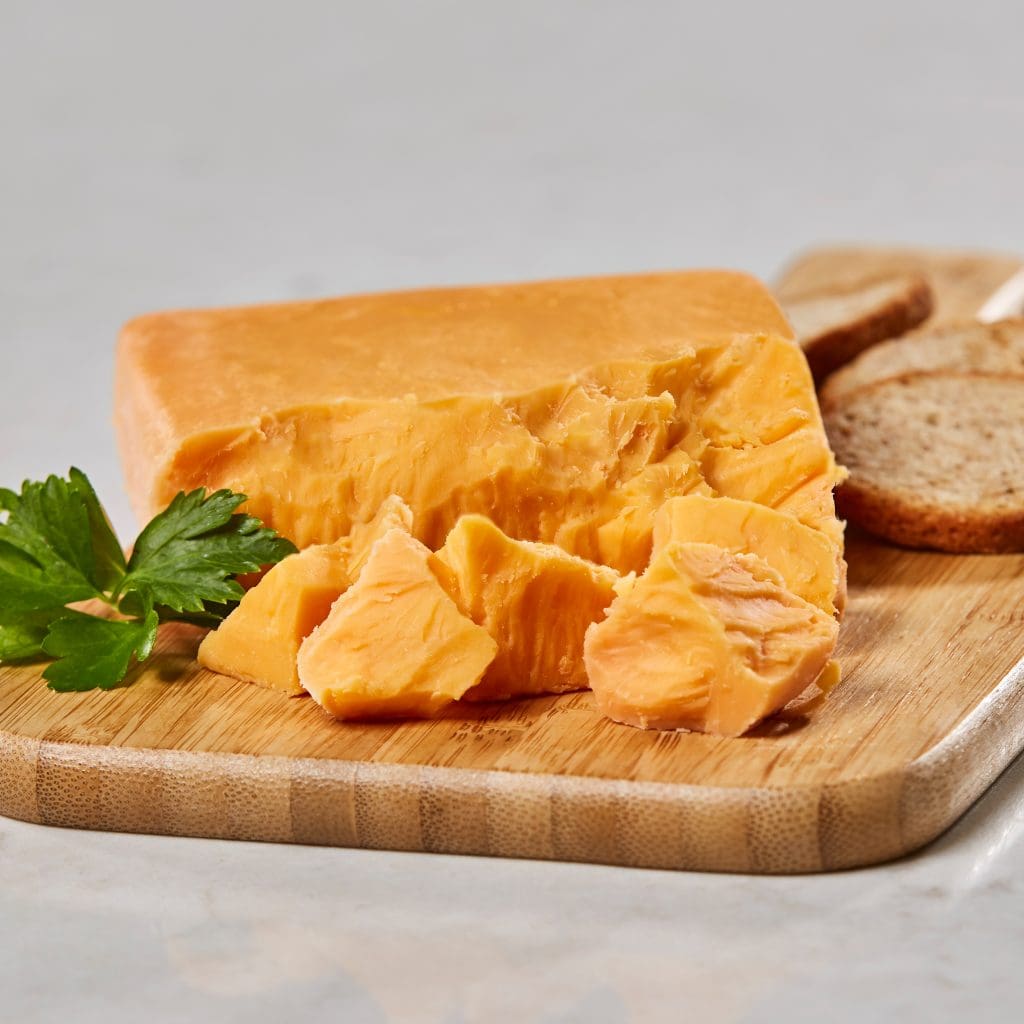
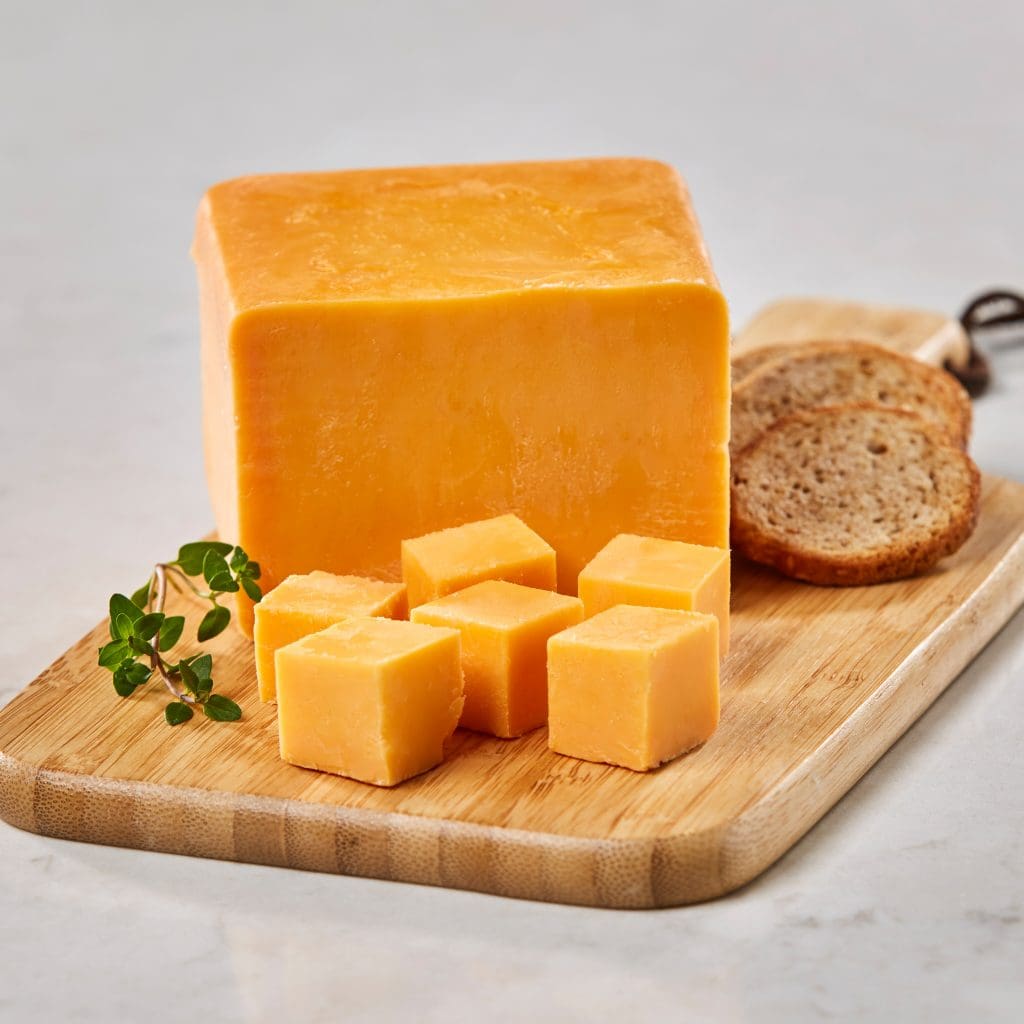
Cheddar is one of the most widely produced cheeses in Wisconsin. Cheesemakers age cheddar for different lengths of time to develop a variety of flavor profiles. Young cheddar tends to be mild and creamy, while aged cheddar develops sharper, richer flavors.
Some cheddars age for several years, creating a firm texture and complex taste that cheese enthusiasts love.
Mozzarella
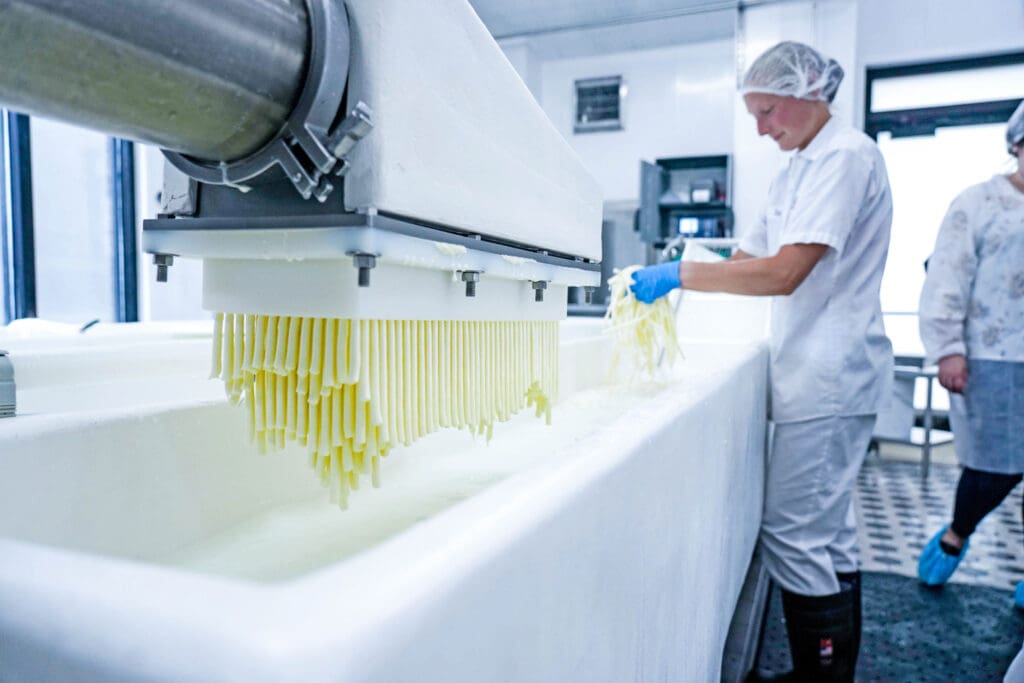
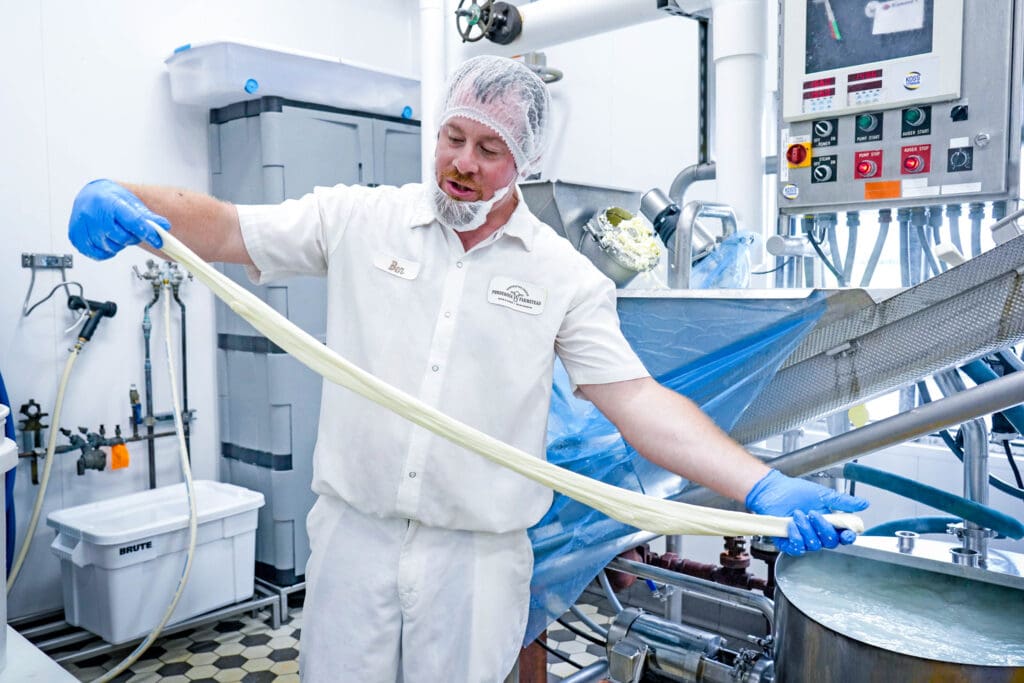
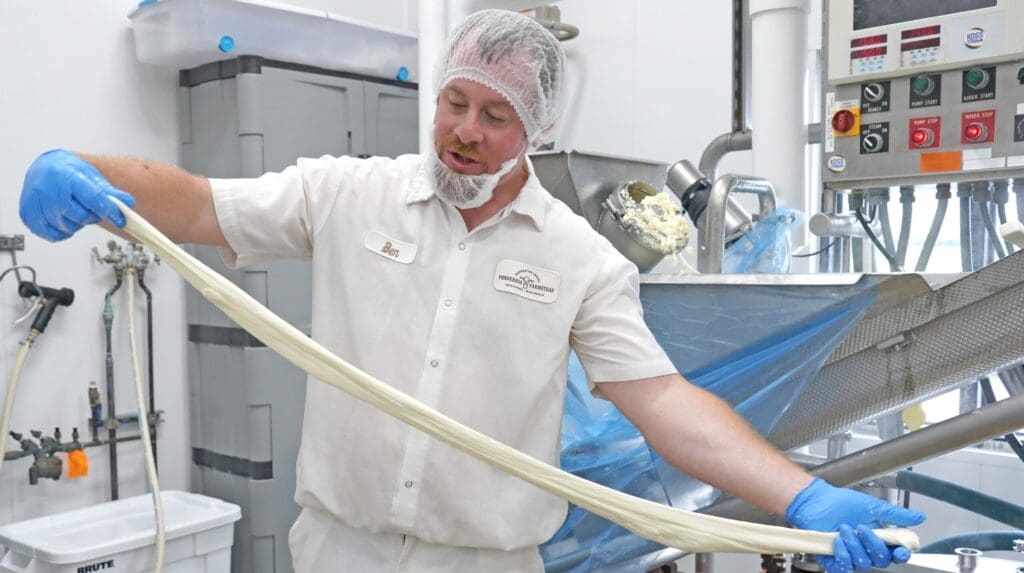
Mozzarella is another major cheese produced in Wisconsin. Cheesemakers create mozzarella using a method called the pasta filata process, which involves heating and stretching the curd until it becomes smooth and elastic.
Because of this stretching process, mozzarella has its well-known pull-apart texture and melts beautifully on dishes like pizza and pasta.
Learn about Mozzarella here.
Colby and Colby Jack
Colby cheese originated in Wisconsin in the late 1800s. It has a mild flavor and slightly softer texture than cheddar. Colby Jack combines Colby and Monterey Jack cheeses, creating a marbled appearance and a smooth, creamy taste.
Cheese Curds
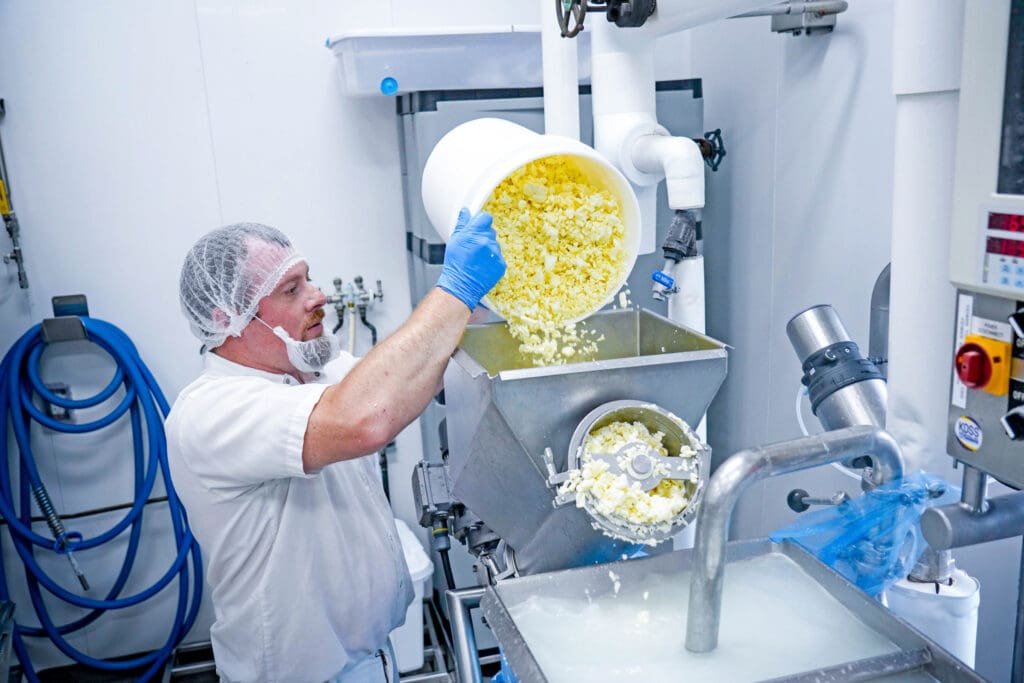
Cheese curds are one of Wisconsin’s most iconic foods. These small pieces of fresh cheese form during the cheesemaking process before the cheese is pressed or aged.
Fresh curds have a mild flavor and a springy texture. In fact, very fresh curds often make a distinct squeaking sound when you bite into them.
Wonder why cheese curds squeak? Check out our blog post.
How Is Cheese Made?
Although different cheeses require slightly different methods, the basic cheesemaking process follows several key steps.
First, cheesemakers start with fresh milk. They add beneficial bacteria called cultures, which help develop flavor and acidity.
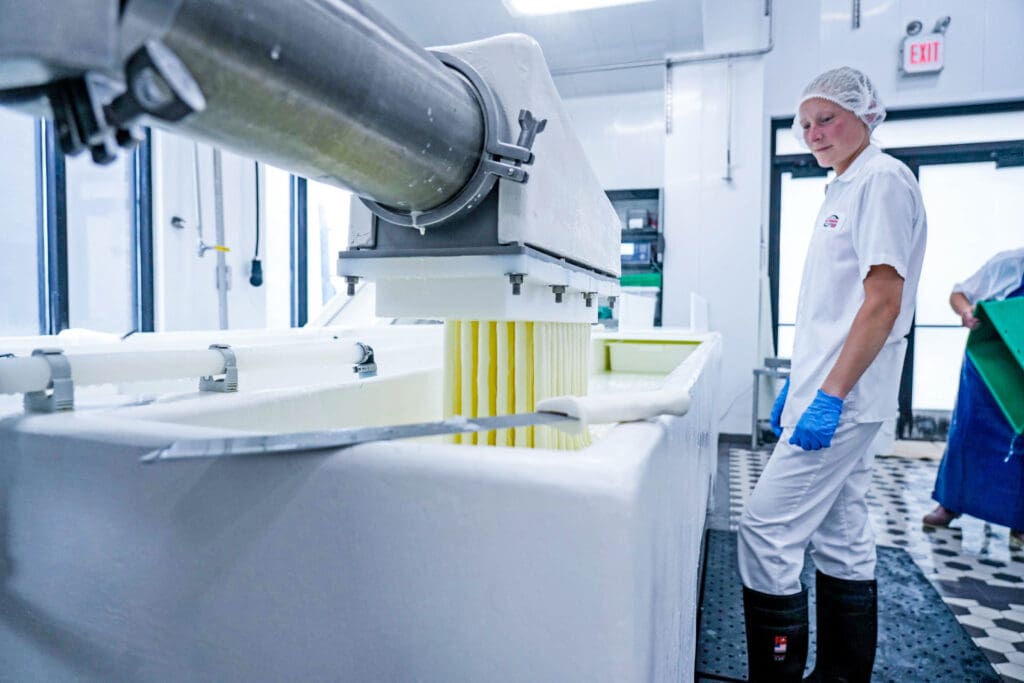
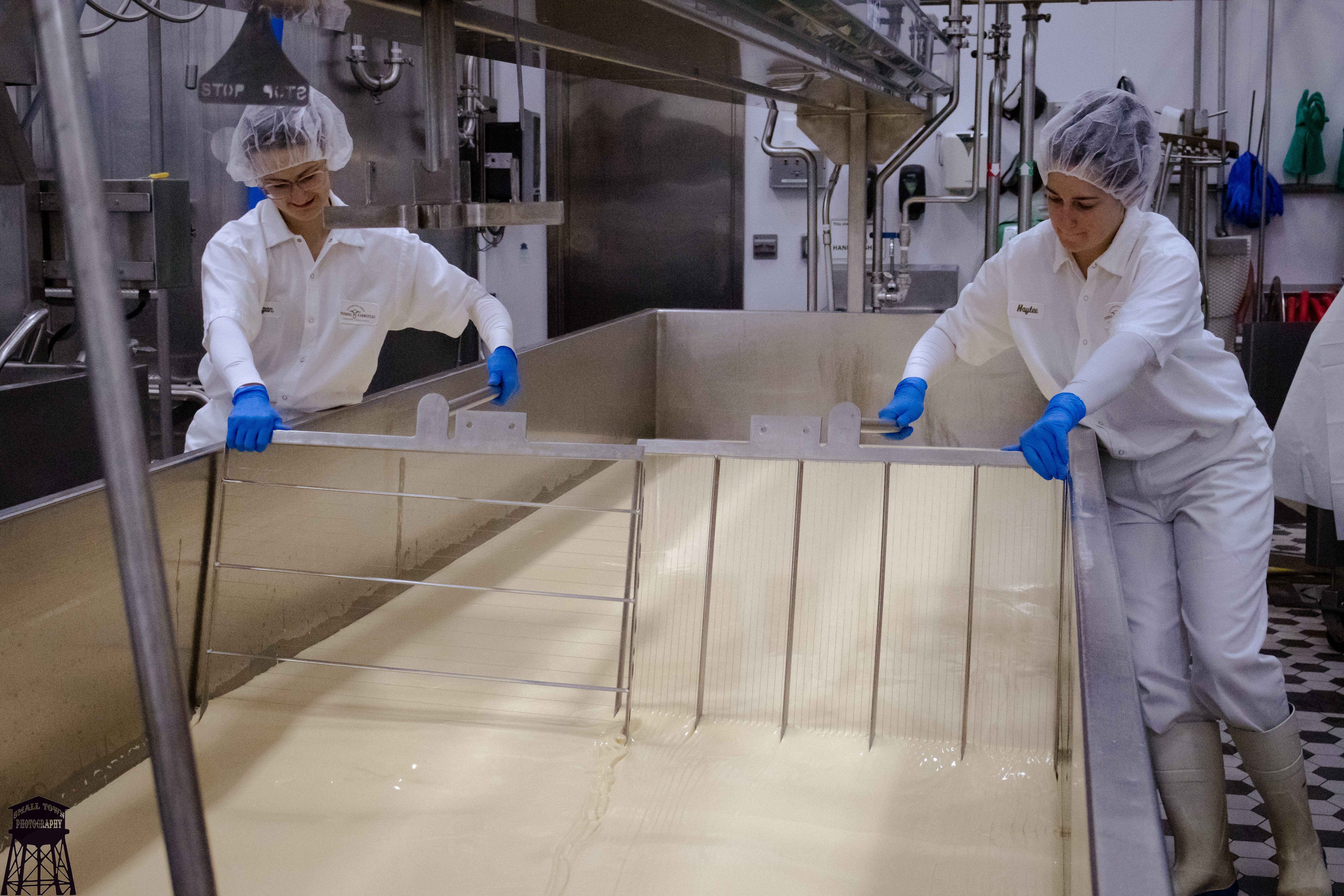
Next, they add rennet, an enzyme that causes the milk to coagulate and form curds. Once the curds form, cheesemakers cut them into small pieces and begin heating and stirring them.
As the curds cook, they release whey and become firmer. At this stage, cheesemakers may press, shape, stretch, or age the curds depending on the type of cheese they want to create.
Some cheeses are ready to eat immediately, while others age for months or even years to develop deeper flavor.
What Makes Farmstead Cheese Different?
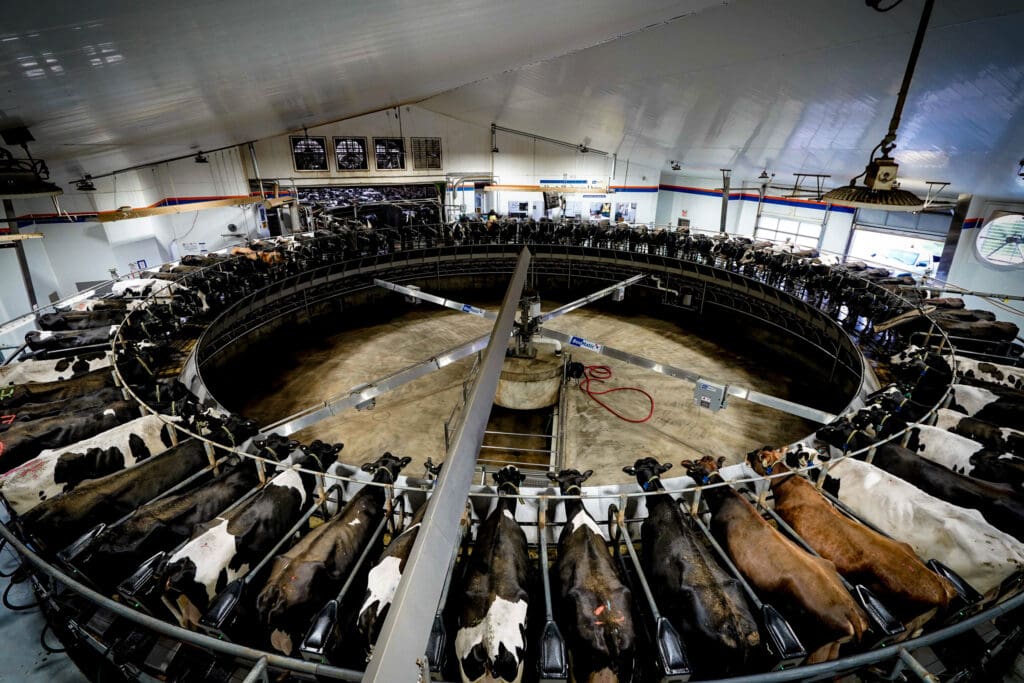
Farmstead cheesemaking begins with the milk itself. In farmstead operations, the milk used to make cheese comes directly from the same farm where the cheese is produced.
Because the milk travels only a short distance from the dairy to the creamery, cheesemakers can focus on freshness and quality from the very beginning of the process.
At Ron’s Wisconsin Cheese, our cheese begins with milk produced by our own dairy herd. This connection between farm and creamery allows us to maintain strong traceability while focusing on flavor, freshness, and craftsmanship.
Farmstead cheesemaking reflects the long-standing relationship between Wisconsin dairy farmers and cheesemakers.
Famous Wisconsin Cheese Foods
Cheese plays an important role in Wisconsin’s food culture. Many classic dishes highlight the state’s most beloved dairy products.
One of the most recognizable Wisconsin snacks is fresh cheese curds. People enjoy them straight from the bag, but they are also commonly deep-fried and served at restaurants and fairs throughout the state.
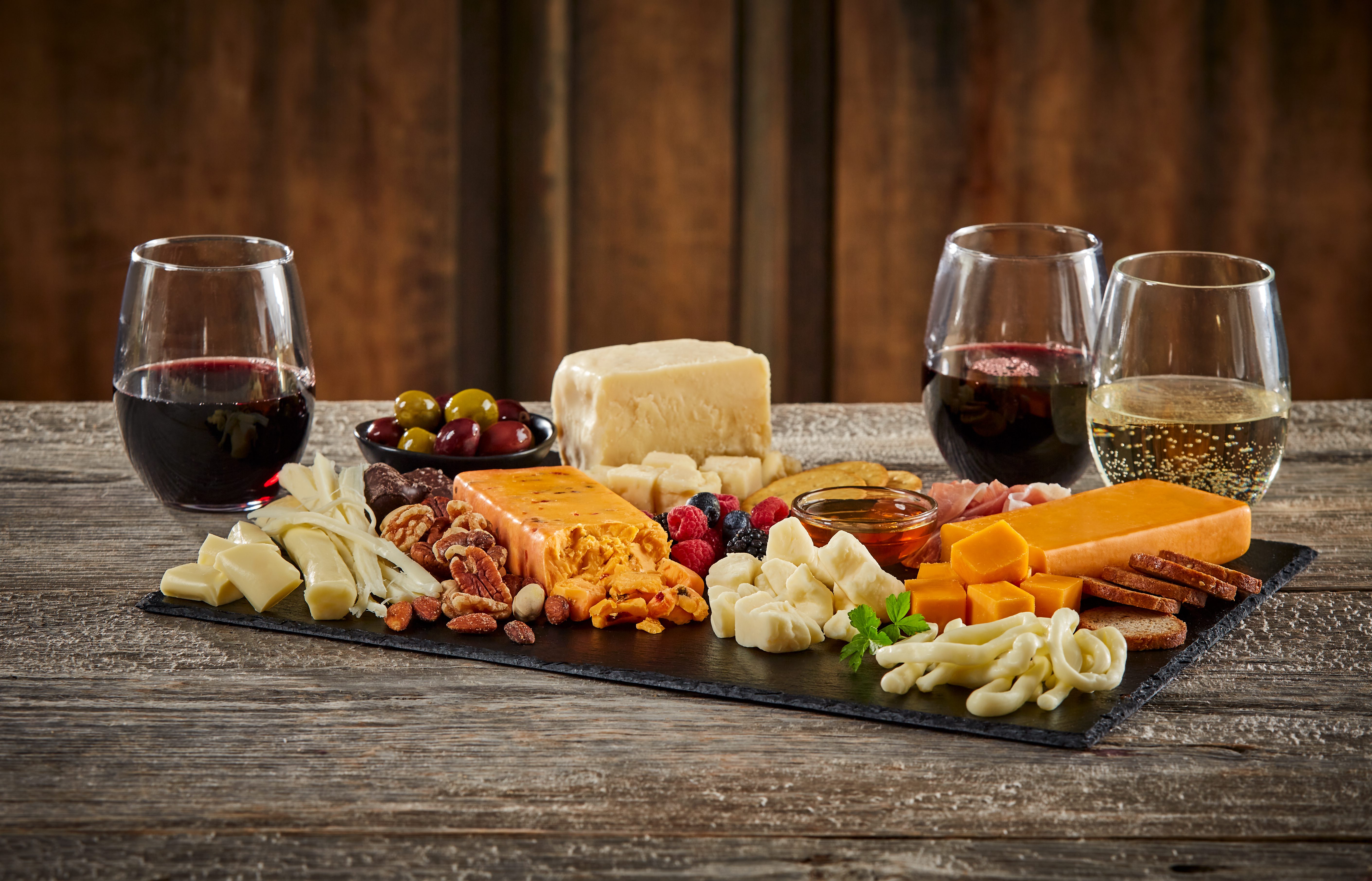
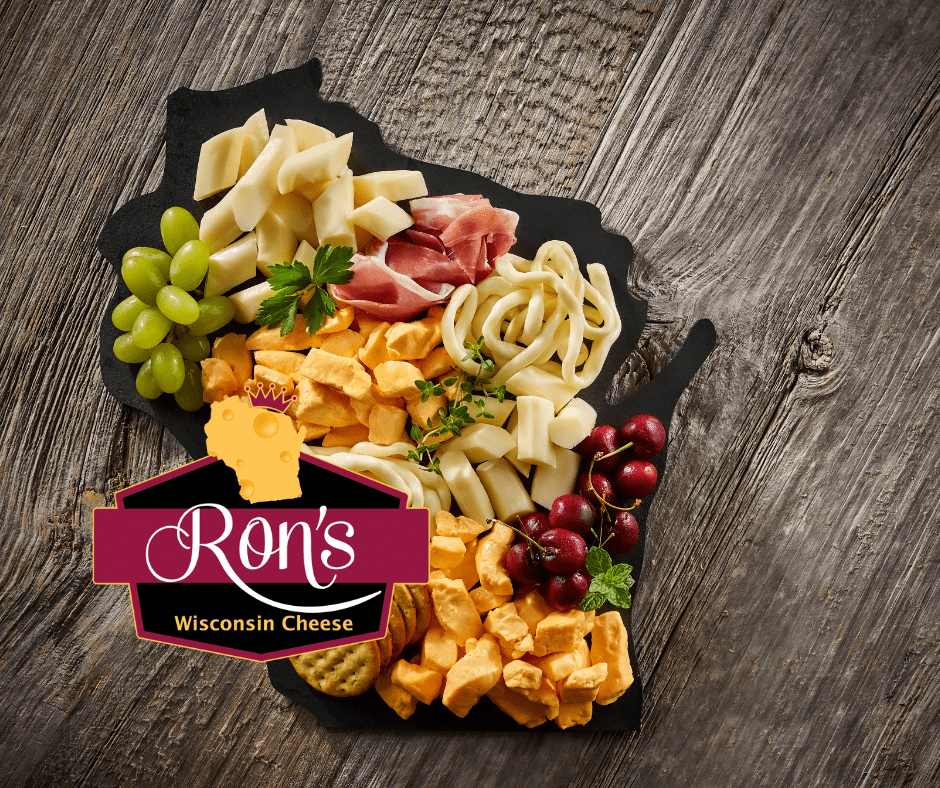
Another popular tradition is the Wisconsin cheese board, which features a variety of cheeses paired with crackers, meats, fruit, and spreads. Cheese boards showcase the wide range of flavors that Wisconsin cheeses offer.
In addition, many Wisconsin supper clubs serve dishes featuring melted cheese, creamy sauces, and rich dairy flavors that reflect the state’s culinary heritage.
Best Wisconsin Cheeses to Try (Beginner → Advanced)
If you are new to Wisconsin cheese, it helps to start simple and work your way up.
Beginner:
Start with cheese curds or mozzarella. These are mild, fresh, and easy to enjoy.
Intermediate:
Try a young cheddar. It offers more flavor while still being smooth and approachable.
Advanced:
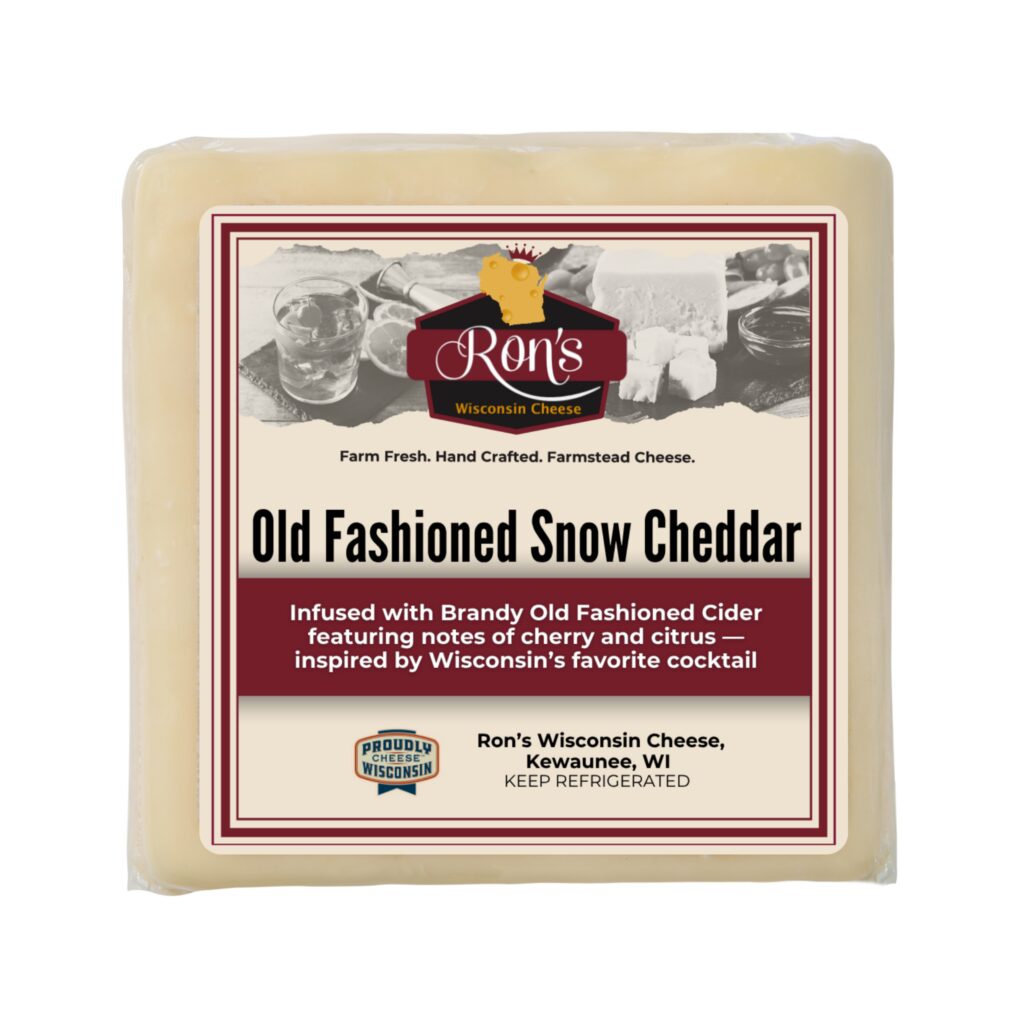
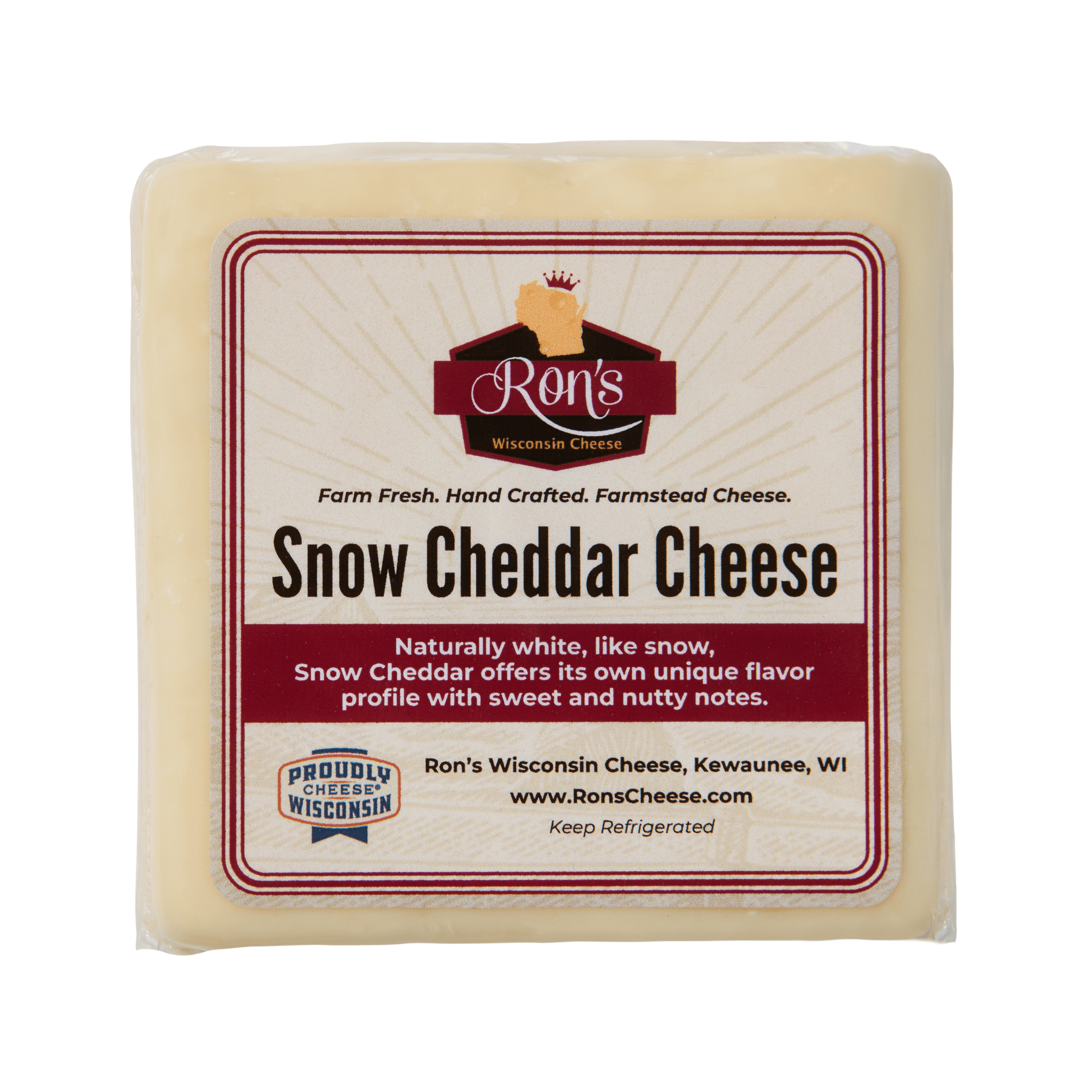
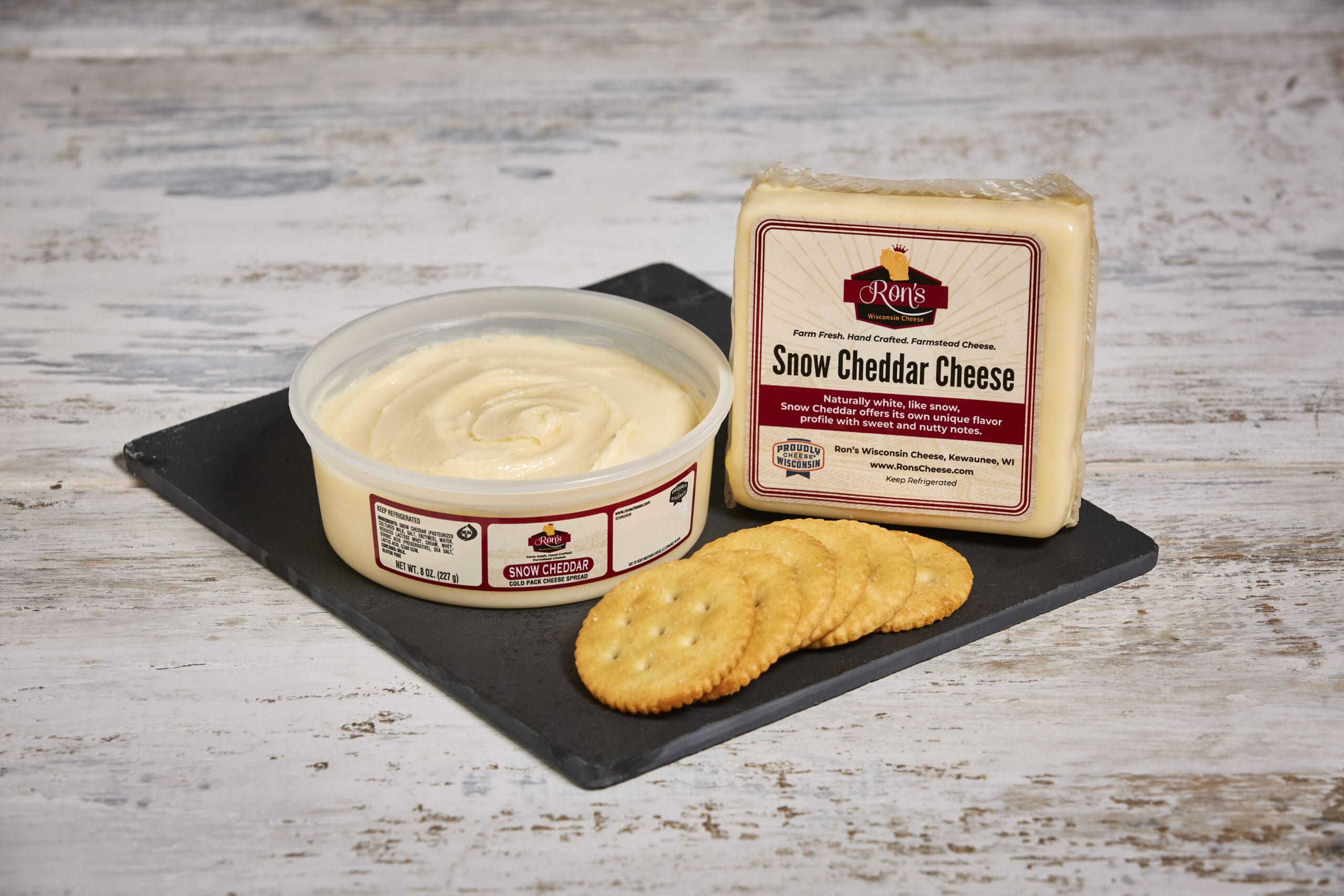
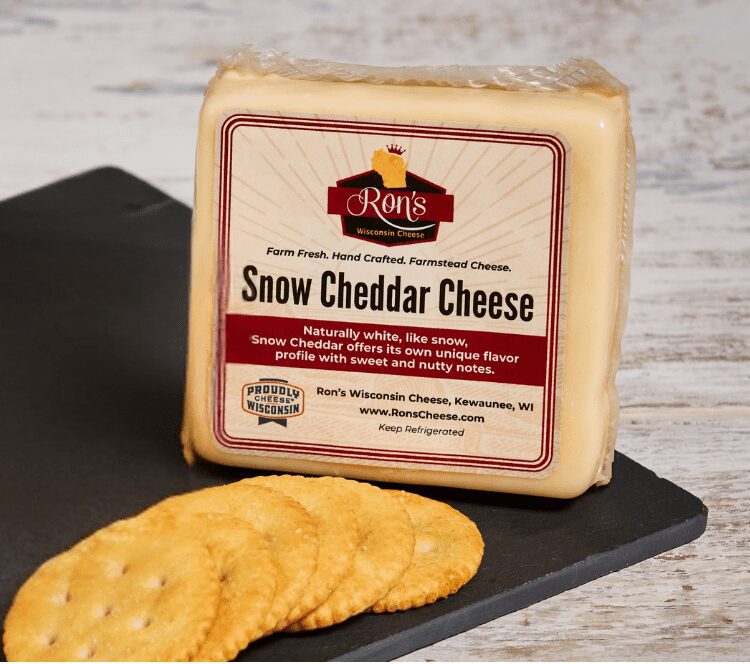
Move to aged cheddar or specialty cheeses like Snow Cheddar. These deliver bold flavor and more complexity.
As you explore, you will quickly find your personal favorites.
How to Choose High-Quality Cheese
When selecting cheese, several factors can help you identify quality.
First, look for cheese that has been produced by reputable cheesemakers who focus on craftsmanship and high-quality milk.
Second, consider the texture and aroma of the cheese. Fresh cheeses should smell clean and slightly milky, while aged cheeses may develop more complex aromas.
Finally, pay attention to freshness. Some cheeses, such as cheese curds, taste best shortly after production, while aged cheeses develop their character over time.
Where to Buy Wisconsin Cheese
If you want to experience authentic Wisconsin cheese, buying directly from cheesemakers and specialty cheese producers can provide the freshest and most flavorful options.
At Ron’s Wisconsin Cheese, we produce a variety of Wisconsin cheeses using milk from our own dairy operation. Our products highlight the traditions and flavors that make Wisconsin cheese special.
Popular options include:
- Fresh cheese curds
- Snack cheeses such as cheese whips
- Cheddar varieties including Snow Cheddar
- Specialty cheese spreads
Each product reflects the craftsmanship and dairy heritage that Wisconsin cheesemakers are known for.
Discover the Tradition of Wisconsin Cheese
Wisconsin cheesemaking combines generations of knowledge, high-quality milk, and a deep appreciation for dairy craftsmanship. From fresh curds to aged cheddar, these cheeses reflect the traditions that have made the state famous.
At Ron’s Wisconsin Cheese, we continue this tradition by producing cheese that begins with milk from our own dairy herd. By focusing on freshness and quality, we strive to share the authentic flavors of Wisconsin cheese with customers everywhere.
Frequently Asked Questions About Wisconsin Cheese
Why is Wisconsin called America’s Dairyland?
Wisconsin earned the nickname because dairy farming plays a major role in the state’s agriculture and economy.
What cheese is Wisconsin known for?
Wisconsin is especially famous for cheddar, mozzarella, Colby, and fresh cheese curds.
Are cheese curds only made in Wisconsin?
Cheese curds can be made anywhere cheese is produced, but they are especially popular in Wisconsin.
How fresh should cheese curds be?
Cheese curds taste best within a day or two of production, when they still have their signature squeaky texture.